 English
 Chinese
 Mongol
Redefining the construction industry with innovative solutions, cuttin-edge technology and sustainable practices
Redefining the construction industry with innovative solutions, cuttin-edge technology and sustainable practices
Profile Bending 2026-02-07
As modern architecture increasingly embraces curved lines and fluid designs, traditional straight door and window systems are no longer sufficient to meet aesthetic and functional demands. Curved door and window profiles have become a defining feature in high-end residential buildings, commercial complexes, airports, hotels, and landmark architectural projects. To achieve these designs with accuracy and reliability, precision bending solutions play a critical role in the manufacturing process.
Door and window profiles are not only decorative elements; they are structural components that must meet strict requirements for strength, sealing performance, and dimensional accuracy. Precision bending ensures that curved profiles maintain consistent radii, smooth surfaces, and stable cross-sectional geometry throughout the bending process.
Unlike conventional bending methods, precision bending solutions apply controlled force and advanced tooling to minimize deformation, material stress, and surface damage. This is particularly important for aluminum alloy, steel, and multi-chamber profiles commonly used in modern door and window systems. Accurate bending helps preserve the integrity of thermal breaks, grooves, and connection points, ensuring that the final product performs as designed.
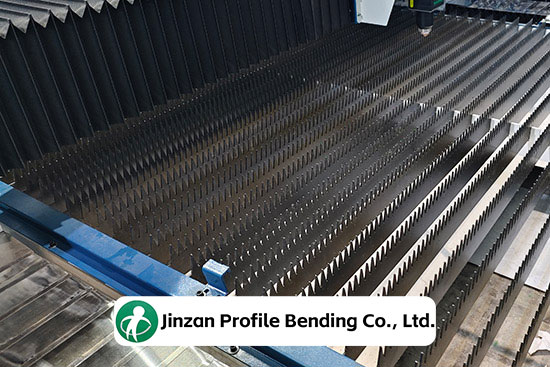
Modern precision bending solutions utilize specialized processes such as stretch bending and CNC-controlled bending systems. By applying tensile force during bending, these methods reduce the risk of wrinkling, cracking, or distortion on the inner and outer surfaces of the profile.
CNC control allows precise adjustment of bending parameters, including radius, angle, speed, and tension. This ensures high repeatability and consistency, making it possible to produce curved profiles in both small customized batches and large-scale production runs. The result is a stable, predictable bending process that meets the demanding standards of architectural applications.
Precision bending solutions are compatible with a wide range of materials used in door and window manufacturing. Aluminum profiles benefit from smooth curvature and excellent surface quality, making them ideal for curtain walls and panoramic window systems. Steel profiles offer higher structural strength and are often used in large-span or load-bearing window and door frames.
With advanced bending technology, manufacturers can achieve various curvature designs, including single-radius arcs, large-radius curves, and complex custom shapes. This flexibility allows architects and designers greater freedom to realize innovative concepts without compromising on performance or manufacturability.
Well-executed precision bending directly contributes to the overall performance of curved door and window systems. Accurate curvature ensures proper alignment during installation, reducing on-site adjustments and installation time. It also improves sealing performance by maintaining uniform contact surfaces, which is essential for thermal insulation, soundproofing, and water resistance.
Additionally, precision-bent profiles enhance the durability of door and window systems. Reduced internal stress and uniform material distribution help prevent long-term deformation, fatigue, or failure, especially in environments exposed to temperature changes, wind loads, and daily use.
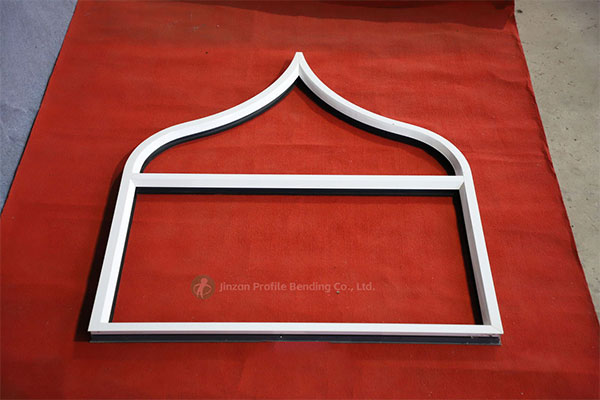
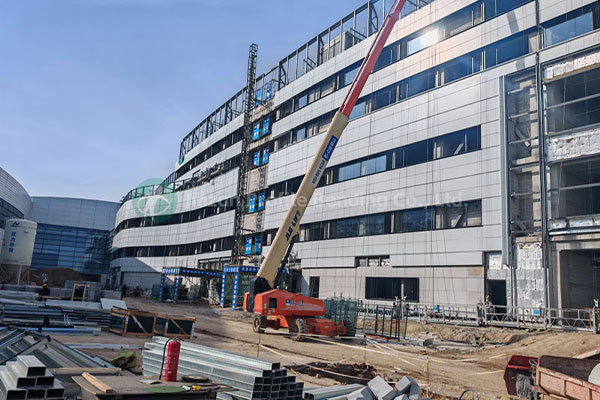
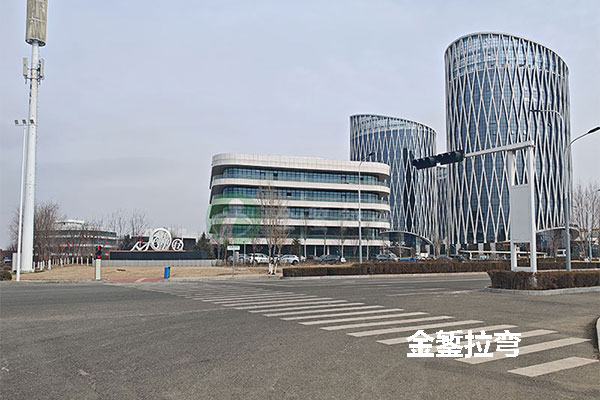
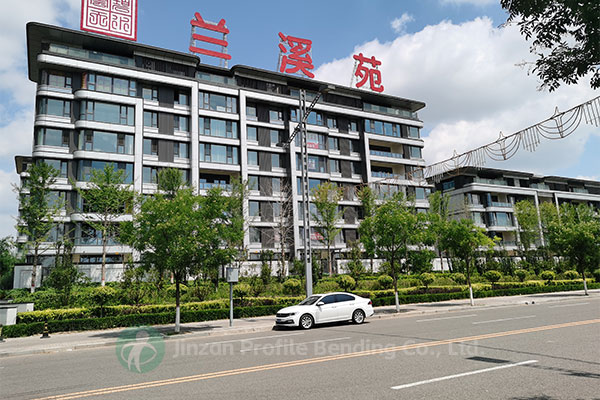
Precision bending solutions for curved door and window profiles are widely used in modern architectural projects where visual impact and performance must coexist. Applications include curved glass curtain walls, arched windows, round balconies, and customized entrance systems. These solutions are especially valuable in projects that emphasize organic forms, panoramic views, and seamless integration between indoor and outdoor spaces.
In commercial and public buildings, curved door and window systems often serve as iconic design elements. Precision bending ensures that these elements meet safety standards while delivering the intended architectural expression.
A key advantage of professional precision bending solutions lies in strict quality control throughout the production process. From material selection and tooling design to final inspection, every stage is managed to ensure dimensional accuracy and surface quality. This reliability reduces waste, improves production efficiency, and ensures consistent results across multiple projects.
Manufacturers that invest in precision bending technology are better positioned to meet international quality standards and deliver products suitable for global markets.
Precision bending solutions for curved door and window profiles are essential to modern architectural manufacturing. By combining advanced bending technology, material expertise, and strict quality control, these solutions enable the production of high-performance curved systems that meet both aesthetic and functional requirements.
As architectural design continues to evolve toward more dynamic and customized forms, precision bending will remain a key technology supporting innovation, efficiency, and long-term performance in door and window systems.