 English
 Chinese
 Mongol
Redefining the construction industry with innovative solutions, cuttin-edge technology and sustainable practices
Redefining the construction industry with innovative solutions, cuttin-edge technology and sustainable practices
Profile Bending 2026-02-24
Steel curving, or steel bending, is a critical process in modern construction, shipbuilding, automotive, and industrial manufacturing. It transforms flat or straight steel elements into precise curved forms for structural, aesthetic, or functional purposes. While steel curving offers flexibility in design, successful project execution requires careful planning, cost control, time management, and strict quality assurance. This article provides an in-depth analysis of steel curving project planning, detailing the factors that influence costs, timelines, and strategies to ensure high-quality results.
1. Understanding Steel Curving
Steel curving involves applying force to steel materials to achieve a desired radius or shape without compromising structural integrity. Common applications include:
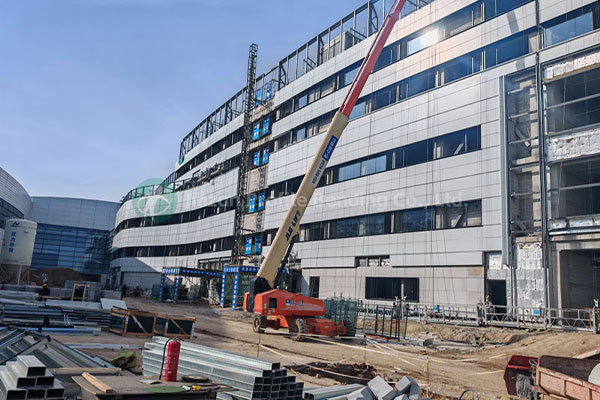
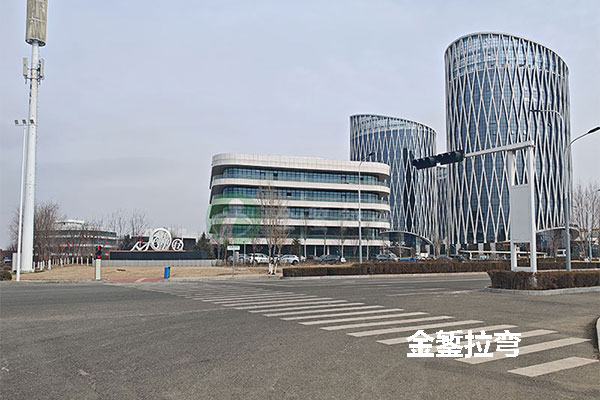
Architectural features like curved facades and staircases
Bridges and tunnels requiring curved steel beams
Automotive chassis and frames
Industrial equipment and pipelines
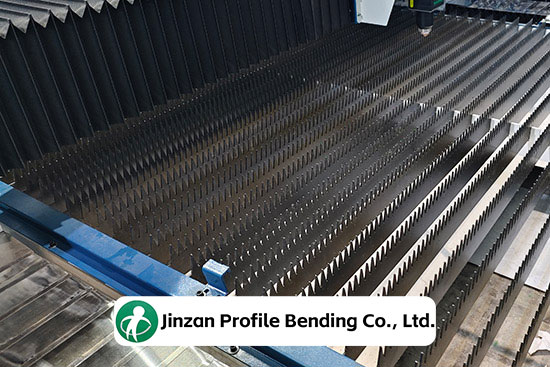
Curving can be achieved through multiple methods, such as roll bending, press braking, rotary bending, and heat-assisted bending. Each method has unique implications for project planning, costs, and quality control.
2. Cost Factors in Steel Curving Projects
Several factors affect the overall cost of steel curving, and careful consideration of each component helps in accurate budgeting.
2.1 Material Costs
Type of Steel: Carbon steel is usually the most cost-effective, whereas stainless steel or high-strength alloys are more expensive but offer superior corrosion resistance and durability.
Thickness and Dimensions: Thicker steel requires greater force to bend and may involve specialized machinery, increasing costs.
Waste and Scrap: Improper bending can generate material waste, so precise planning and calculation are essential to minimize losses.
2.2 Labor Costs
The complexity of the curve, the size of the steel, and the chosen bending method impact labor costs. Skilled operators are required for precise bends, especially for high-tolerance projects. Labor costs also increase with project scale and additional processes like heat treatment or finishing.
2.3 Equipment and Machinery Costs
Roll benders, press brakes, and CNC curving machines vary in cost based on size, precision, and automation level.
For large or thick steel sections, specialized equipment or custom tooling may be required.
Maintenance and calibration of machinery also contribute to operational costs.
2.4 Design and Engineering Costs
Complex steel curving projects often require detailed engineering plans, CAD modeling, and stress analysis to ensure that the curves meet structural and functional requirements. Engineering fees can range from 5% to 15% of the total project cost depending on complexity.
2.5 Additional Costs
Surface treatment or finishing after bending (painting, galvanizing, polishing)
Transportation of large curved steel elements
Safety measures and compliance with local standards
3. Timeframe Considerations
Project timelines for steel curving depend on several interrelated factors:
3.1 Design and Planning
CAD modeling, simulation, and approval processes can take days to weeks depending on the complexity.
Early planning ensures the curve radius, dimensions, and tolerances are correct before material procurement.
3.2 Material Preparation
Steel must be cut, cleaned, and pre-treated if necessary.
Preheating may be required for thick or high-strength steel to prevent cracks during bending.
3.3 Curving Process
Simple bends can be completed quickly with roll bending or press braking.
Complex curves or multi-radius bends require more time and careful monitoring.
CNC or automated bending reduces errors but may still require multiple passes for precision.
3.4 Post-Curving Processes
Heat treatment or stress relief may be necessary to maintain structural integrity.
Surface finishing, inspection, and quality verification extend the timeline.
By accounting for each stage, project managers can establish realistic timelines and avoid delays that could increase labor or equipment rental costs.
4. Quality Assurance Strategies
Ensuring high-quality steel curving is critical to avoid structural failures and maintain aesthetic integrity. Key quality assurance strategies include:
4.1 Material Testing
Verify steel grade, tensile strength, and thickness before bending.
Detect defects like inclusions or surface cracks that could worsen during curving.
4.2 Precision Control
Use templates, jigs, and CNC programming to achieve accurate curves.
Monitor bending radius, angle, and straightness continuously.
4.3 Stress and Deformation Analysis
Conduct stress tests, especially for load-bearing components.
Perform heat treatment or controlled cooling to relieve residual stresses.
4.4 Surface Protection
Inspect for scratches, dents, or oxidation caused by bending.
Apply coatings or galvanizing to protect against corrosion.
4.5 Documentation and Inspection
Maintain detailed logs of materials, bending parameters, and post-processing steps.
Conduct inspections at each stage and implement corrective measures if tolerances are exceeded.
5. Planning Best Practices
To optimize cost, timeframe, and quality, project managers should follow these best practices:
1.Early Collaboration: Coordinate designers, engineers, and fabricators before material procurement.
2.Simulation and Prototyping: Use CAD and finite element analysis to predict deformation and minimize trial-and-error.
3.Choose the Right Method: Select bending techniques suited for steel type, thickness, and project complexity.
4.Standardize Procedures: Develop standard operating procedures for consistent results and efficient workflow.
5.Continuous Monitoring: Track bending parameters, operator performance, and material conditions in real time.
6.Plan for Contingencies: Allocate buffer time and budget for unexpected challenges like material defects or machine downtime.
Steel curving projects are complex undertakings that require a careful balance of cost management, timeline planning, and quality assurance. Material selection, labor expertise, equipment choice, and engineering design significantly influence the overall budget. Timeframes depend on design complexity, material preparation, and curving methods, while quality assurance ensures structural integrity, safety, and precision.
By implementing systematic project planning, leveraging advanced machinery, and adhering to rigorous QA protocols, companies can achieve accurate, durable, and aesthetically appealing curved steel components. For industries ranging from architecture to automotive and industrial manufacturing, strategic planning in steel curving is essential to minimize costs, meet deadlines, and deliver high-quality results.