 English
 Chinese
 Mongol
Redefining the construction industry with innovative solutions, cuttin-edge technology and sustainable practices
Redefining the construction industry with innovative solutions, cuttin-edge technology and sustainable practices
Profile Bending 2026-09-30
Metal bending is an essential manufacturing process used to transform flat sheets, plates, tubes, and other metal components into precise shapes and configurations. With the increasing demand for customized metal products, professional metal bending services have become an important part of modern fabrication and manufacturing.
From industrial equipment and automotive components to construction structures and custom machinery, accurately bent metal parts can provide the strength, functionality, and appearance required for a wide range of applications. Professional fabrication services combine advanced equipment, experienced technicians, and strict quality control to deliver reliable results for both simple and complex projects.
What Is Metal Bending?
Metal bending is a forming process that changes the shape of a metal workpiece without removing material. Depending on the material, thickness, shape, and required specifications, different bending methods can be selected to achieve the desired result.
Common metal bending techniques include press brake bending, roll bending, tube bending, and CNC bending. Each process has its own advantages and is suitable for different manufacturing requirements.
Press brake bending is widely used for sheet metal fabrication. A metal sheet is positioned between a punch and die, and controlled pressure is applied to create accurate angles. CNC press brake equipment can improve repeatability and make it possible to produce complex parts with consistent dimensions.
Roll bending is commonly used when manufacturers need to create large-radius curves or cylindrical shapes. Tube and pipe bending, on the other hand, are frequently used for frames, pipelines, handrails, exhaust systems, and industrial structures.
Materials for Metal Bending
Different metals can be processed through bending, but each material has its own characteristics that must be considered during fabrication.
Carbon steel is commonly used because of its strength, versatility, and relatively low cost. It is suitable for structural components, machinery, brackets, and general industrial applications.
Stainless steel offers excellent corrosion resistance and durability. It is often used in food processing equipment, medical equipment, architectural components, and industrial applications where resistance to harsh environments is important.
Aluminum is lightweight and has good corrosion resistance, making it suitable for transportation, electronics, construction, and other applications where weight reduction is important.
Other materials, including copper and various metal alloys, can also be bent according to specific project requirements. Before production, material properties such as thickness, hardness, ductility, and springback should be considered to determine the appropriate bending method.
Precision in Custom Metal Fabrication
Precision is one of the most important factors in custom metal bending. Even a small dimensional error can affect assembly, performance, or the appearance of a finished product. Professional metal fabrication companies therefore use accurate measuring equipment and controlled production processes to maintain dimensional consistency.
Computer numerical control (CNC) technology can improve bending accuracy and repeatability. Digital production data can be used to control bending angles, dimensions, and sequences, helping reduce human error and maintain consistent results throughout production.
For custom projects, engineers may also review drawings, 3D models, material specifications, tolerances, and production quantities before manufacturing begins. This preparation helps identify potential problems and ensures that the final parts meet the customer's requirements.
Custom Metal Bending Solutions
Every project has different requirements. Some customers may need a small batch of customized brackets, while others may require large quantities of structural components or precision-machined assemblies.
A professional metal bending service can provide customized solutions based on factors such as material type, sheet thickness, bending angle, part dimensions, production volume, and application environment.
The process typically begins with customer drawings or specifications. Engineers review the design and determine the appropriate manufacturing method. After material preparation, the workpiece is accurately positioned and bent using suitable equipment. Finished parts can then undergo inspection, deburring, welding, cutting, surface treatment, or other secondary processes as required.
This integrated approach can help simplify the supply chain and provide customers with finished or semi-finished components ready for assembly.
Quality Control and Inspection
Quality control is essential throughout the metal bending process. Professional manufacturers typically inspect raw materials, production dimensions, bending angles, surface conditions, and finished components.
Inspection tools such as calipers, micrometers, angle gauges, coordinate measuring equipment, and other precision instruments can be used depending on the requirements of the project.
In addition to final inspection, quality can be controlled at different stages of production. Monitoring the bending process helps identify dimensional deviations early and reduces the possibility of defective products reaching the final stage.
For industries with strict requirements, manufacturers may also provide inspection reports, material certificates, and other relevant documentation according to customer specifications.
Applications of Metal Bending Services
Custom metal bending is used across many industries.
In the automotive industry, bent metal components can be used for brackets, frames, exhaust components, structural parts, and various vehicle assemblies.
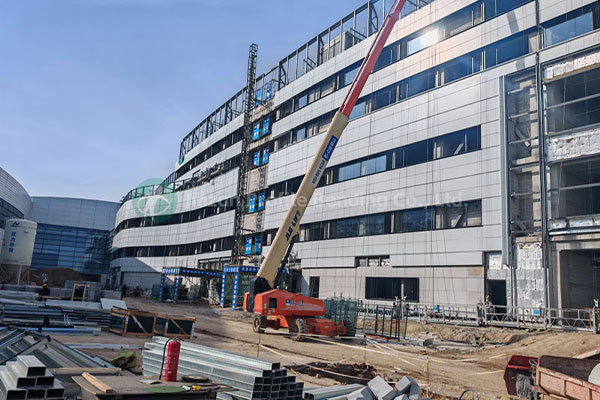
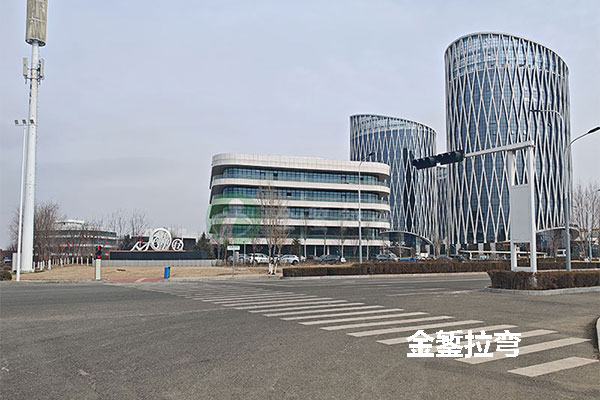
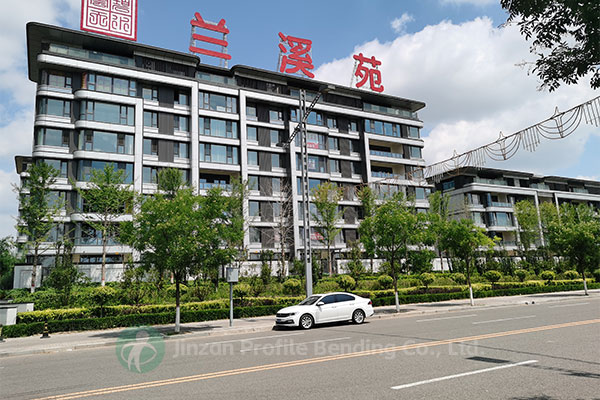
In construction and architecture, metal bending is commonly used for structural supports, roofing components, panels, railings, frames, and decorative elements.
In industrial manufacturing, bent sheet metal is widely used for machine enclosures, equipment frames, cabinets, brackets, guards, and other fabricated components.
The energy, agricultural, transportation, and electronics industries also rely on customized bent metal parts for different equipment and systems.
Choosing a Professional Metal Bending Service
When selecting a metal bending supplier, customers should consider manufacturing capabilities, equipment, material experience, quality control procedures, production capacity, and delivery requirements.
A capable supplier should be able to understand technical drawings, recommend suitable bending processes, work with different metal materials, and maintain consistent quality during production.
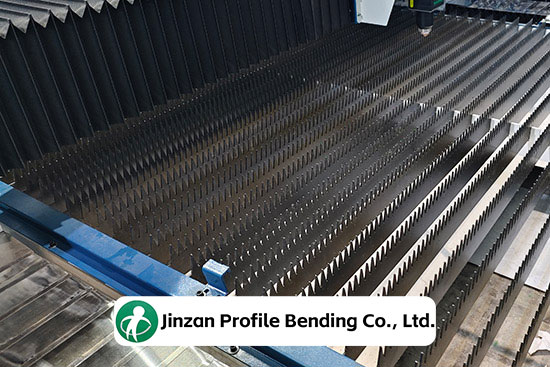
It is also beneficial to choose a manufacturer that can provide additional fabrication services such as laser cutting, welding, drilling, machining, surface finishing, and assembly. Combining multiple processes under one supplier can improve production efficiency and simplify project management.
Professional Metal Bending Services provide an efficient way to manufacture customized metal components with accurate shapes, dimensions, and angles. By combining advanced CNC equipment, experienced technicians, appropriate material selection, and comprehensive quality control, manufacturers can meet a wide range of fabrication requirements.
Whether the project involves a prototype, small production run, or large-volume manufacturing, customized metal bending can provide flexible solutions for different industries and applications. Choosing an experienced and reliable fabrication partner can help ensure that every component meets the required specifications while supporting efficient production and consistent quality.