 English
 Chinese
 Mongol
Redefining the construction industry with innovative solutions, cuttin-edge technology and sustainable practices
Redefining the construction industry with innovative solutions, cuttin-edge technology and sustainable practices
Profile Bending 2026-08-10
Metal bending is a fundamental process in modern manufacturing and fabrication industries. It plays an essential role in shaping metal materials into precise forms required for various applications, including automotive components, aerospace structures, construction systems, industrial equipment, and custom engineering projects. With continuous advancements in technology, advanced metal bending techniques have significantly improved production accuracy, efficiency, and product quality, allowing manufacturers to create complex metal parts while maintaining high levels of reliability and performance.
Advanced metal bending techniques focus on achieving precise shapes, consistent dimensions, and excellent surface quality while minimizing material waste. Unlike traditional bending methods that often rely heavily on manual operations, modern processes utilize advanced machinery, computer-controlled systems, and specialized tooling to ensure greater accuracy and repeatability. These improvements enable manufacturers to meet increasingly strict requirements for precision and durability in different industries.
One of the most widely used advanced metal bending methods is CNC bending technology. Computer Numerical Control (CNC) systems allow operators to program specific bending parameters, including angles, pressure, and positioning accuracy. This automated approach reduces human error and ensures consistent results throughout large production runs. CNC bending is especially valuable for industries that require complex geometries, tight tolerances, and high-volume manufacturing.
Another important technique is press brake bending, which uses a press brake machine to shape metal sheets and plates through controlled force. Modern press brake systems are equipped with advanced control software and automated features, enabling precise bending operations for various metal materials such as steel, aluminum, and stainless steel. This technology provides excellent flexibility and is commonly used in industries requiring customized metal components.
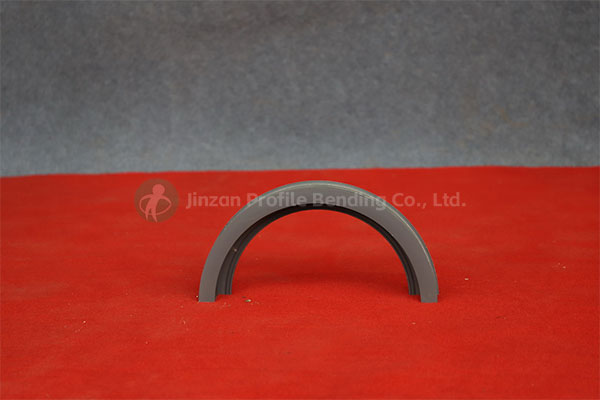
Roll bending is also a key technique used for producing curved and cylindrical metal structures. By passing metal sheets or plates through multiple rollers, manufacturers can achieve smooth and accurate curves without damaging the material. Roll bending is widely applied in the production of pipes, tanks, architectural structures, and heavy industrial equipment. Its ability to handle large metal sections makes it an important solution for demanding fabrication projects.
Advanced metal bending techniques also emphasize material protection and process optimization. Proper selection of bending methods, tooling design, and process parameters helps prevent common issues such as cracking, deformation, and surface damage. Engineers carefully analyze material properties, including strength, thickness, and flexibility, to determine the most suitable bending approach. This ensures that finished components maintain their structural integrity and meet performance expectations.
The use of simulation software has further enhanced the capabilities of metal bending. Digital simulation allows engineers to predict potential problems before actual production begins. By analyzing stress distribution, bending angles, and material behavior, manufacturers can optimize designs and reduce the need for costly adjustments. This not only improves production efficiency but also shortens development cycles for new products.
Quality control is another critical aspect of advanced metal bending fabrication. Manufacturers implement strict inspection procedures to verify dimensions, angles, and overall product quality. Advanced measuring equipment, such as laser inspection systems and coordinate measuring machines, helps ensure that finished components meet exact specifications. Consistent quality control improves reliability and strengthens customer confidence.
The advantages of advanced metal bending extend beyond precision and quality. These techniques also contribute to more sustainable manufacturing practices. Improved process control reduces material waste, lowers energy consumption, and increases production efficiency. By optimizing the use of raw materials and minimizing defects, manufacturers can achieve environmentally responsible production while maintaining competitiveness.
As industries continue to demand lighter, stronger, and more complex metal components, advanced metal bending technology will continue to evolve. Innovations in automation, artificial intelligence, and smart manufacturing systems are expected to further improve bending accuracy and production efficiency. These developments will provide manufacturers with new opportunities to create high-performance metal products for a wide range of applications.
In conclusion, advanced metal bending techniques are essential for achieving high-quality fabrication in modern manufacturing. Through technologies such as CNC bending, press brake forming, roll bending, and digital simulation, manufacturers can produce precise, durable, and customized metal components. By combining advanced equipment with professional expertise and strict quality management, metal fabrication companies can meet the growing demands of global industries and support future innovation.