 English
 Chinese
 Mongol
Redefining the construction industry with innovative solutions, cuttin-edge technology and sustainable practices
Redefining the construction industry with innovative solutions, cuttin-edge technology and sustainable practices
Profile Bending 2026-07-21
With the continuous development of modern manufacturing, construction, transportation, and industrial engineering, the demand for high-quality steel processing solutions continues to grow. Steel curving has become an essential fabrication process for industries that require strong, durable, and precisely shaped metal components.
Professional steel curving services provide customized bending solutions that help manufacturers create complex curved structures while maintaining material strength, accuracy, and reliability. From architectural frameworks and automotive components to industrial machinery and transportation equipment, steel curving plays an important role in modern engineering applications.
What Is Steel Curving?
Steel curving is a specialized metal forming process that transforms straight steel sections into curved shapes through controlled mechanical force. Unlike traditional cutting and welding methods, steel curving allows manufacturers to create smooth, continuous curves while preserving the structural integrity of the material.
Depending on project requirements, steel curving can be performed using different techniques, including roll bending, rotary bending, and precision forming processes. The selected method depends on factors such as steel type, thickness, profile shape, bending radius, and final application.
Professional steel curving requires advanced equipment, skilled operators, and accurate process control to achieve consistent results.
The Importance of Professional Steel Curving Services
Steel components are widely used in industries where strength, durability, and precision are critical. Poor-quality bending can lead to deformation, cracking, uneven curves, or reduced structural performance.
Professional steel curving services help companies overcome these challenges by providing:
Accurate bending according to engineering drawings;
Stable product quality for batch production;
Reduced material waste;
Improved production efficiency;
Customized solutions for complex designs.
By working with experienced steel curving manufacturers, businesses can ensure that their components meet both functional and aesthetic requirements.
Advanced Steel Curving Solutions for Industrial Applications
Construction and Architectural Structures
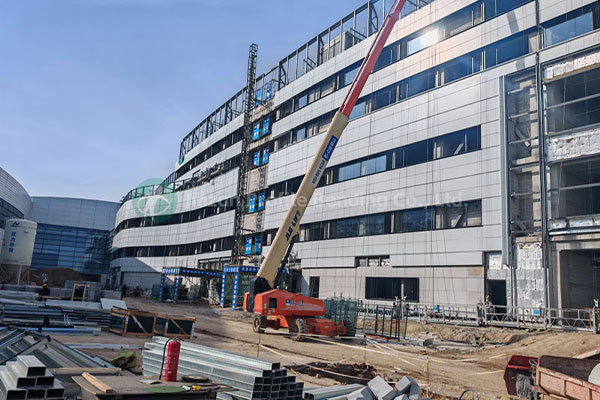
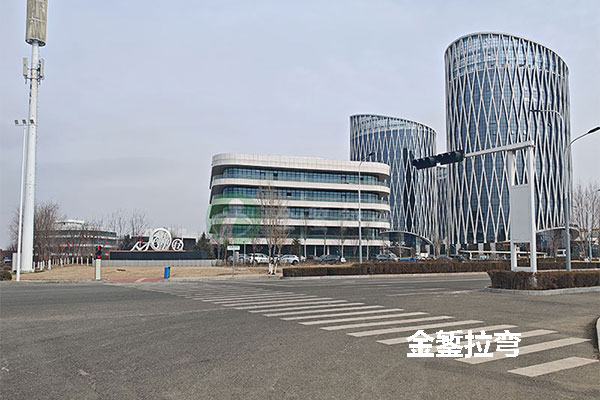
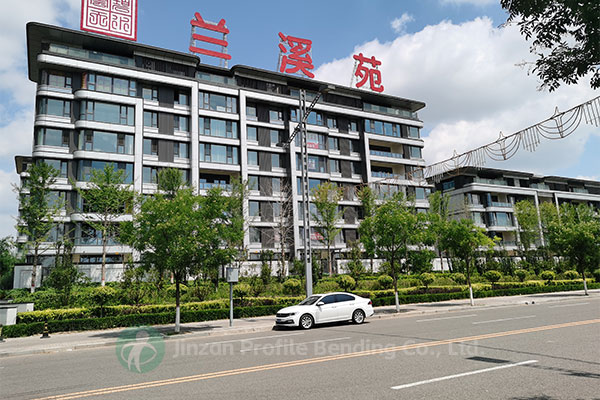
In the construction industry, curved steel elements are increasingly used to create unique designs and stronger structural systems.
Steel curving services support the production of:
Curved beams;
Steel frames;
Roof structures;
Bridges and large-scale architectural components.
Curved steel structures provide both visual appeal and excellent load-bearing performance, making them popular in modern buildings and public facilities.
Automotive Manufacturing
The automotive industry requires lightweight yet strong components with high dimensional accuracy. Steel curving technology is widely used in vehicle structures and special automotive parts.
Through precise bending processes, manufacturers can produce components that match complex vehicle designs while maintaining safety and durability.
Steel curving is especially valuable for parts that require smooth curves and high structural performance.
Industrial Equipment Manufacturing
Many industrial machines and equipment systems require custom steel profiles and curved components.
Professional curving services allow manufacturers to create parts with specific dimensions and shapes, improving equipment performance and reducing assembly difficulties.
Industries such as energy, manufacturing, and heavy machinery often rely on precision steel fabrication solutions for their projects.
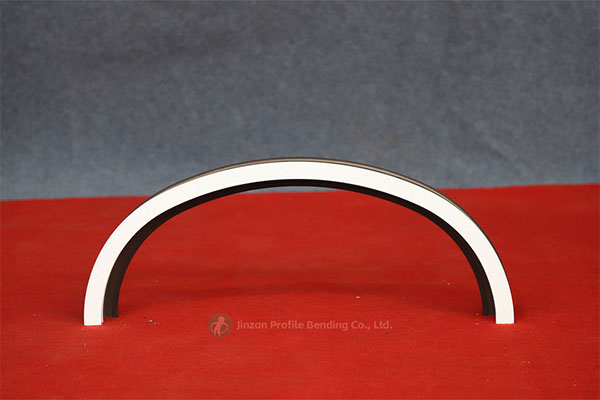
Transportation Infrastructure
Steel curving is also widely applied in transportation-related projects, including rail systems, tunnels, and large engineering structures.
High-strength curved steel components help improve stability and extend service life in demanding environments.
Key Factors Affecting Steel Curving Quality
Achieving high-quality steel curving requires careful control of several important factors.
Material Selection
Different types of steel have different mechanical properties. The material’s strength, flexibility, and thickness directly influence the curving process.
Experienced manufacturers select suitable processing methods based on the specific characteristics of the steel to prevent cracking or excessive deformation.
Bending Radius Requirements
The required bending radius is one of the most important parameters in steel curving.
A larger radius is generally easier to achieve, while smaller radius curves require more precise equipment and advanced techniques.
Proper calculation and process planning help maintain the desired shape and structural performance.
Equipment Accuracy
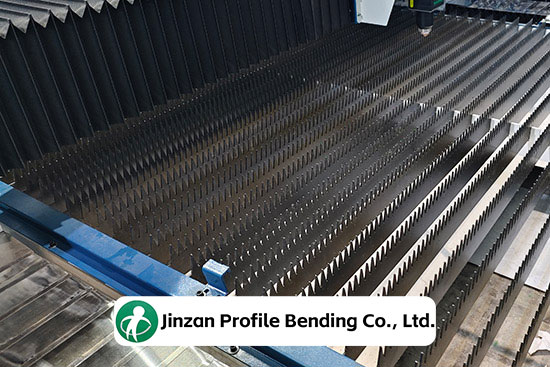
Modern steel curving machines use advanced control systems to improve accuracy and repeatability.
High-quality equipment helps manufacturers achieve consistent results, especially for projects requiring strict dimensional tolerances.
Quality Inspection
Professional steel curving companies usually conduct inspections throughout the production process.
Quality checks may include:
Dimensional measurement;
Curve accuracy verification;
Surface inspection;
Material performance testing.
These procedures ensure that finished products meet customer specifications.
Advantages of Customized Steel Curving Services
Customized steel curving provides several benefits for industrial projects.
First, it allows engineers and designers to achieve complex shapes that may not be possible with standard steel components.
Second, curved steel parts can reduce the need for multiple welded sections, improving overall strength and appearance.
Third, customized fabrication helps optimize material usage and reduce unnecessary processing steps.
For companies with unique engineering requirements, professional steel curving services offer a flexible and efficient solution.
How to Choose a Reliable Steel Curving Manufacturer?
Selecting the right steel curving partner is essential for project success.
Companies should consider several factors when evaluating suppliers.
First, manufacturers should have suitable equipment and technical experience to handle different steel profiles and project requirements.
Second, they should provide strong engineering support, including drawing review, process recommendations, and production planning.
Third, quality control systems and delivery capabilities are also important factors. A reliable manufacturer should be able to maintain stable quality and meet project schedules.
Future Development of Steel Curving Technology
As industries continue to pursue higher efficiency and precision, steel curving technology is also evolving.
Automation, digital manufacturing, and advanced inspection technologies are improving production accuracy and reducing processing time.
In the future, steel curving services will continue to support industries that require customized, high-performance metal solutions.
The combination of advanced equipment, professional expertise, and innovative manufacturing methods will help create stronger and more efficient steel structures.
Steel curving services provide advanced bending solutions for a wide range of industrial applications, including construction, automotive manufacturing, machinery, and transportation infrastructure.
Through professional processing technology, manufacturers can create accurate curved steel components while maintaining strength, durability, and quality. Choosing an experienced steel curving provider allows businesses to improve production efficiency, reduce costs, and achieve better project results.