 English
 Chinese
 Mongol
Redefining the construction industry with innovative solutions, cuttin-edge technology and sustainable practices
Redefining the construction industry with innovative solutions, cuttin-edge technology and sustainable practices
Profile Bending 2026-05-28
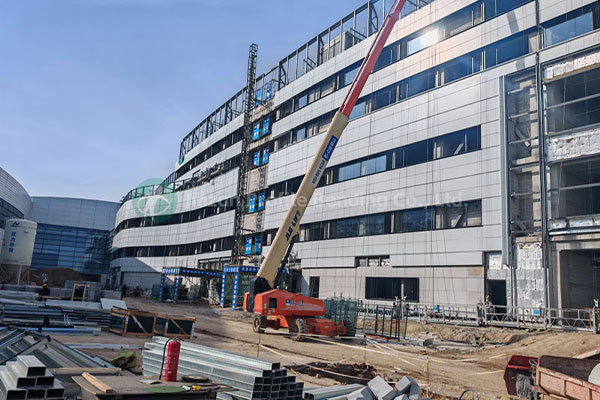
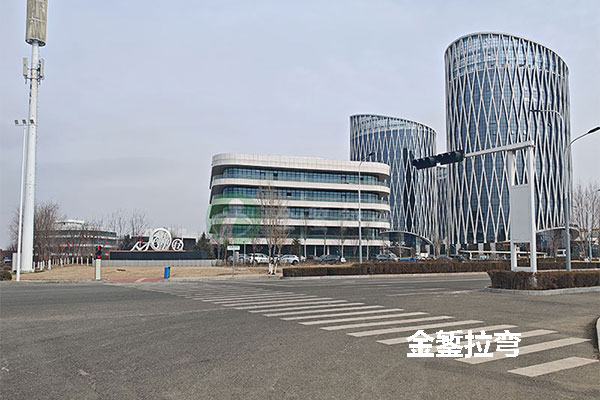
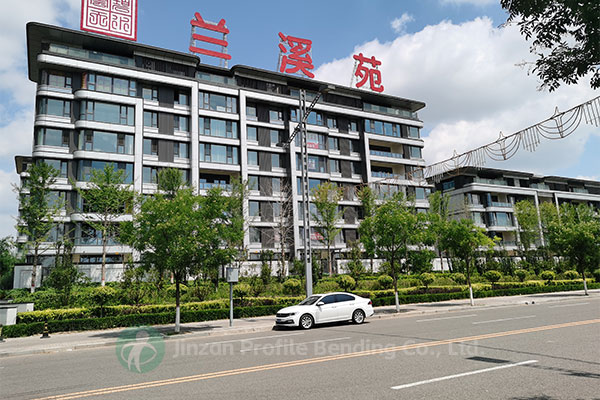
Steel curving is an important manufacturing process used to shape steel into curved forms for construction, automotive, aerospace, and industrial applications. From architectural structures to machine components, curved steel provides both functional strength and modern design flexibility.
Common Materials Used in Steel Curving
Different types of steel are selected depending on the project requirements. Carbon steel is widely used because of its strength and affordability. Stainless steel is preferred for corrosion resistance and clean appearance, especially in food processing and architectural projects. Alloy steel offers enhanced durability and performance for heavy-duty industrial applications.
The thickness, hardness, and flexibility of the material all affect the curving process and the final product quality.
Main Steel Curving Techniques
Several methods are commonly used in steel curving manufacturing:
Roll Bending
Roll bending uses a series of rollers to gradually bend steel into large-radius curves. This technique is ideal for pipes, beams, and metal sheets used in bridges and buildings.
Press Bending
Press bending applies force with a hydraulic or mechanical press to create precise angles and curves. It is suitable for customized components and smaller production runs.
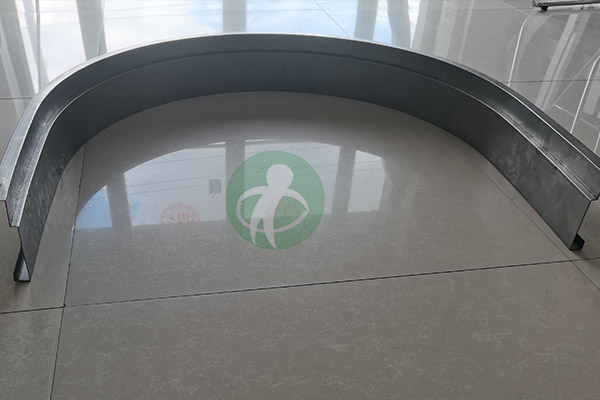
Rotary Draw Bending
This process is often used for tubes and pipes requiring accurate and smooth bends. It helps maintain material strength and reduces deformation during shaping.
Heat Induction Bending
In this technique, localized heat softens the steel before bending. It allows manufacturers to create tight-radius curves while minimizing cracking or structural damage.
Advantages of Steel Curving in Manufacturing
Steel curving provides several manufacturing benefits. Curved steel components can improve structural strength while reducing unnecessary material usage. The process also enhances design possibilities, allowing architects and engineers to create more efficient and visually appealing products.
In addition, modern steel curving technologies improve production accuracy, reduce waste, and support cost-effective large-scale manufacturing. Custom curved steel parts can also shorten assembly time and improve overall product performance.
Steel curving plays a vital role in modern manufacturing and engineering. By combining suitable materials with advanced bending techniques, manufacturers can produce durable, precise, and highly customized steel components for a wide range of industries. As technology continues to advance, steel curving will remain an essential process for innovative industrial design and construction.