 English
 Chinese
 Mongol
Redefining the construction industry with innovative solutions, cuttin-edge technology and sustainable practices
Redefining the construction industry with innovative solutions, cuttin-edge technology and sustainable practices
Profile Bending 2026-07-01
Profile bending is a specialized metal forming process used to bend structural profiles, tubes, pipes, beams, and other metal sections into precise curves or customized shapes without compromising their structural integrity. It plays a vital role in modern manufacturing, construction, transportation, architecture, and industrial engineering, allowing manufacturers to produce both functional and aesthetically pleasing components.
Whether used for architectural facades, automotive parts, bridge structures, or industrial equipment, profile bending provides an efficient solution for creating curved metal sections with high precision and repeatability. This guide explains what profile bending is, how the process works, common bending methods, materials, applications, and the advantages of choosing professional profile bending services.
What Is Profile Bending?
Profile bending is the process of permanently shaping metal profiles into curved or circular forms using specialized bending equipment. Unlike simple sheet metal bending, profile bending is designed for structural sections that have complex cross-sectional shapes, including:
Steel tubes
Aluminum profiles
Stainless steel sections
Angle iron
Channel steel
I-beams
H-beams
Flat bars
Square and rectangular tubes
Round pipes
The objective is to achieve the required radius while maintaining the profile's strength, dimensional accuracy, and surface quality.
Profile bending can produce simple arcs, complete circles, spirals, ellipses, and customized curved shapes depending on the project requirements.
How Does the Profile Bending Process Work?
The profile bending process typically involves applying controlled pressure to a metal profile using specially designed rollers or dies. The material is gradually bent rather than forced into shape in a single operation, reducing stress and minimizing deformation.
A typical profile bending workflow includes:
1. Material Selection
The first step is choosing the appropriate material based on the project's structural and environmental requirements. Common materials include carbon steel, stainless steel, aluminum alloys, copper, brass, and various specialty metals.
2. Engineering Review
Manufacturers evaluate several factors before bending begins, including:
Profile dimensions
Wall thickness
Required bending radius
Material properties
Tolerance requirements
End-use application
Proper planning helps ensure the finished component meets design specifications.
3. Machine Setup
The profile bending machine is configured with rollers or tooling suitable for the specific profile. Roller positioning is carefully adjusted to achieve the desired curvature while minimizing distortion.
4. Controlled Bending
The profile passes through the rollers multiple times. Each pass gradually increases the bend until the target radius is achieved. Modern CNC profile bending machines allow precise control throughout the process.
5. Inspection and Quality Control
After bending, the finished part is inspected for:
Radius accuracy
Dimensional consistency
Surface quality
Twist and distortion
Structural integrity
Quality control ensures every component satisfies customer specifications and industry standards.
Common Profile Bending Methods
Several bending techniques are available depending on the material, profile type, and production requirements.
Roll Bending
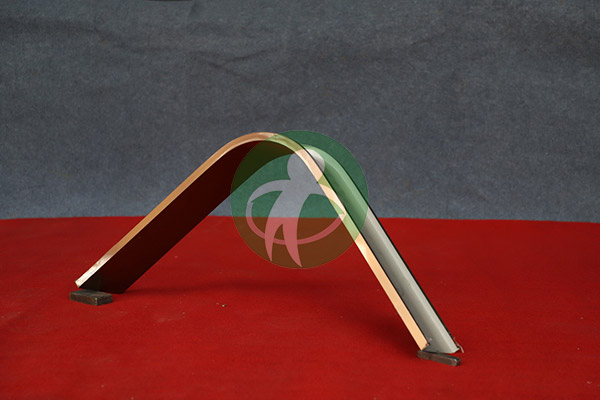
Roll bending is the most widely used method for structural profiles. Three-roll or four-roll machines gradually curve the material into large-radius bends. This method is ideal for beams, tubes, pipes, and channels.
Rotary Draw Bending
Rotary draw bending uses a rotating die to create highly accurate bends with tight radii. It is commonly used for tubing in automotive, aerospace, and medical industries.
Stretch Bending
Stretch bending applies tension while bending the material around a form. This technique produces smooth curves with minimal wrinkling and is frequently used in architectural applications.
Induction Bending
Induction bending heats a localized section of the material using electromagnetic induction before bending. This method is suitable for heavy pipes and structural components requiring large-radius bends.
Materials Suitable for Profile Bending
Modern profile bending equipment can process a wide range of metals, including:
Carbon steel
Stainless steel
Aluminum
Copper
Brass
Galvanized steel
Alloy steel
Titanium (for specialized applications)
Each material has unique mechanical properties that influence bending techniques and achievable radii.
Applications of Profile Bending
Profile bending is widely used across numerous industries because curved structural components are often essential for both performance and appearance.
Construction and Architecture
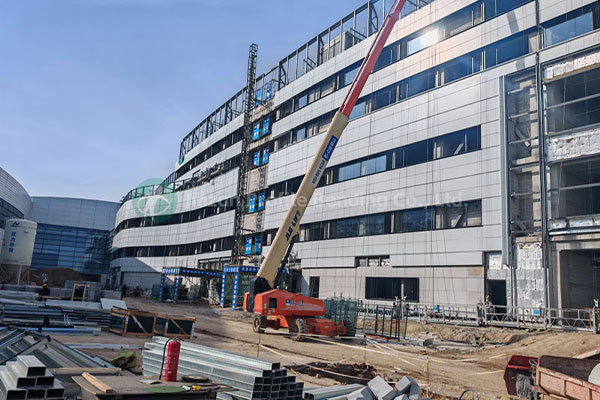
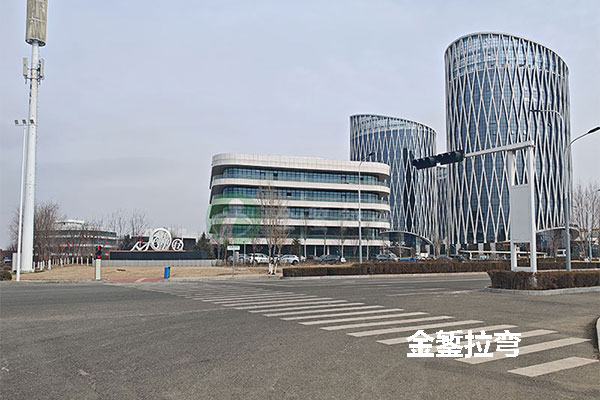
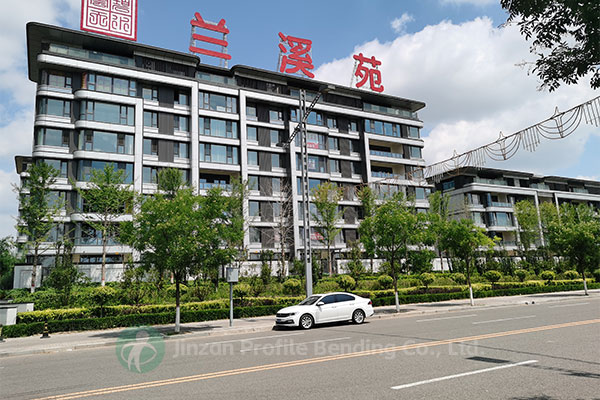
Architectural projects frequently require curved steel and aluminum profiles for:
Curtain walls
Building facades
Glass support systems
Canopies
Roof structures
Staircases
Decorative frameworks
Curved profiles provide modern aesthetics while maintaining structural strength.
Automotive Manufacturing
Vehicle manufacturers use profile bending for:
Roll cages
Chassis components
Exhaust systems
Safety structures
Frame assemblies
Accurate bending improves both performance and production efficiency.
Aerospace Industry
Aircraft components require lightweight materials with exceptional precision. Aluminum and titanium profile bending helps produce structural frames, support members, and specialized assemblies.
Rail Transportation
Trains, subway systems, and railway infrastructure often incorporate bent profiles for:
Structural supports
Passenger compartments
Handrails
Frame components
Energy and Industrial Equipment
Profile bending supports the fabrication of:
Oil and gas pipelines
Wind energy structures
Power generation equipment
Industrial machinery
Pressure vessel supports
Furniture and Interior Design
Curved metal profiles are increasingly used in modern furniture, retail displays, decorative fixtures, and custom interior designs.
Advantages of Profile Bending
Professional profile bending offers numerous benefits compared with fabrication methods involving multiple welded sections.
Improved Structural Integrity
Continuous curved sections maintain higher strength than fabricated assemblies consisting of several welded components.
Superior Appearance
Smooth curves create clean, attractive designs with fewer joints and welds, making profile bending ideal for architectural and decorative applications.
High Precision
Advanced CNC-controlled bending equipment delivers consistent radii and tight dimensional tolerances across production runs.
Material Efficiency
Accurate bending minimizes waste while reducing the need for additional machining or fabrication.
Cost-Effective Production
Although specialized equipment is required, profile bending often lowers overall manufacturing costs by reducing welding, assembly, and finishing operations.
Design Flexibility
Engineers and designers have greater freedom to create innovative structures using customized curved profiles.
Choosing a Professional Profile Bending Service
Selecting the right manufacturing partner is essential for achieving high-quality results. Consider the following factors:
Experience with various profile types and materials
Modern CNC profile bending equipment
Engineering and design support
Quality inspection procedures
Production capacity
Custom fabrication capabilities
On-time delivery
Compliance with relevant industry standards
An experienced supplier can recommend the most suitable bending method based on your project requirements and budget.
Profile bending has become an indispensable manufacturing process across construction, transportation, architecture, energy, and industrial fabrication. By transforming straight metal profiles into accurate curved components, manufacturers can improve structural performance, enhance product appearance, and reduce fabrication costs.
Whether your project involves architectural steelwork, automotive components, industrial equipment, or custom metal fabrication, professional profile bending provides reliable, precise, and efficient solutions. Partnering with an experienced profile bending manufacturer ensures consistent quality, optimized production, and components that meet both engineering specifications and long-term performance requirements.